
Festive Table, Modern Hearts
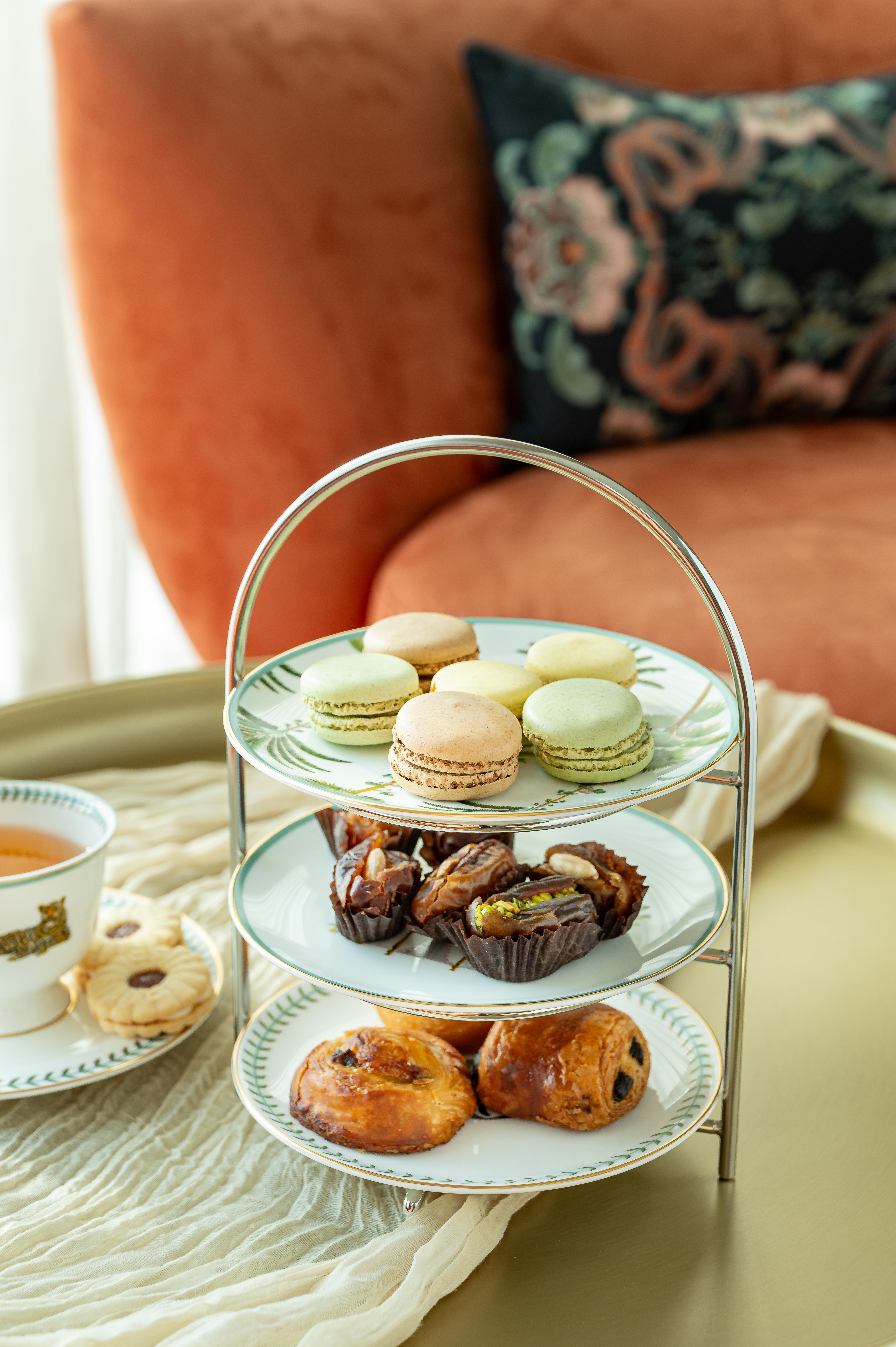
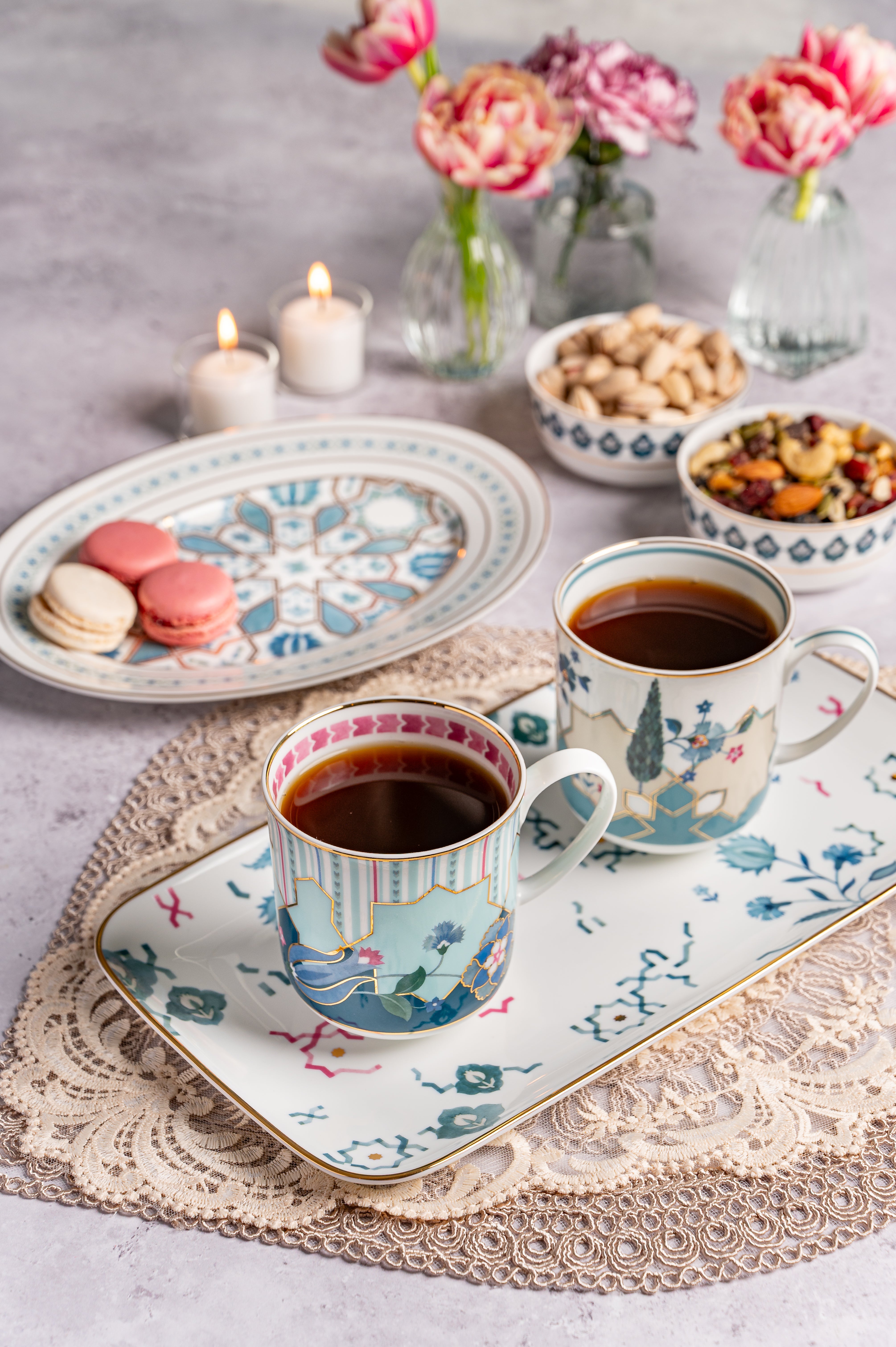
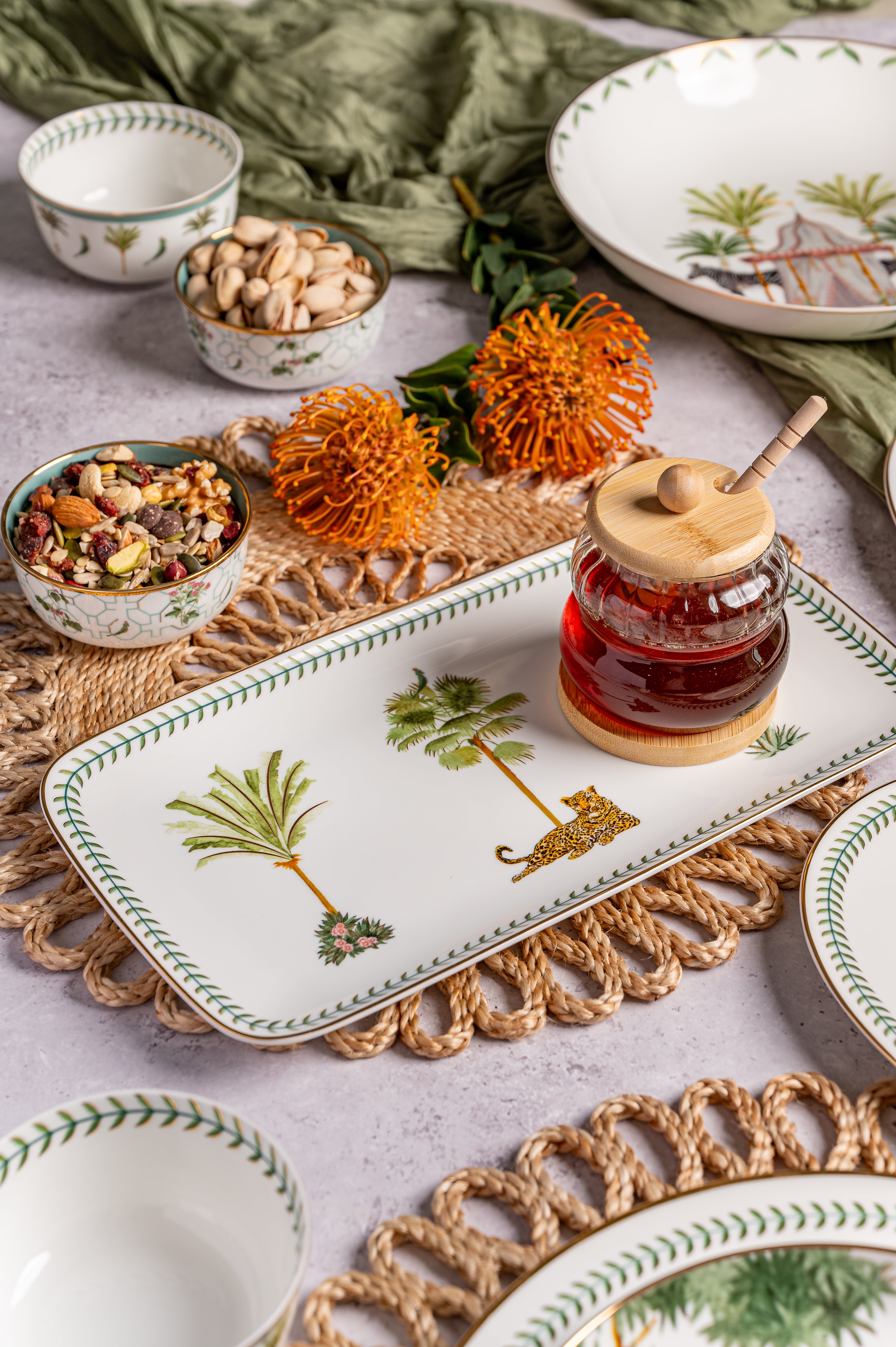
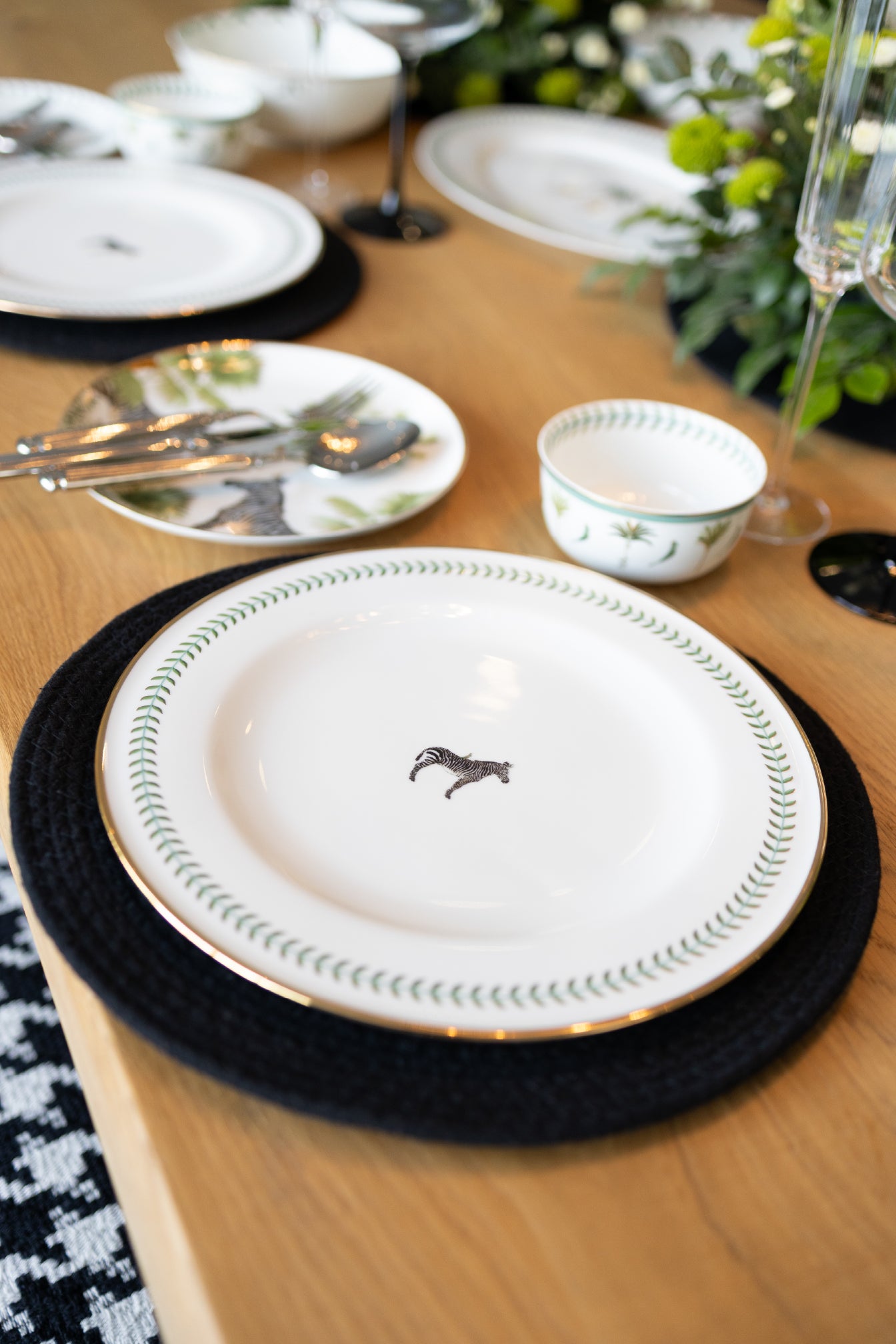
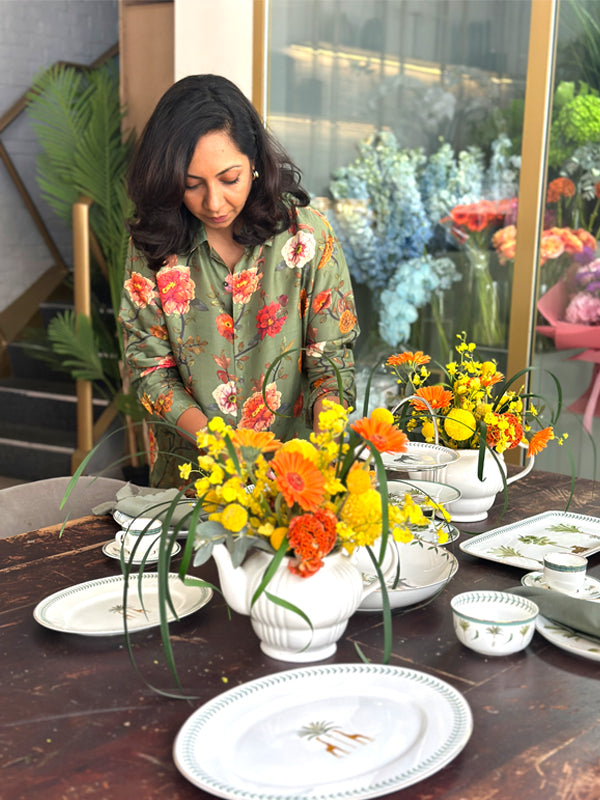
Festive hosting is a dance between heritage and now - honoring the rituals we grew up with while styling a table that feels unmistakably ours. The key is to translate motifs rather than replicate them.
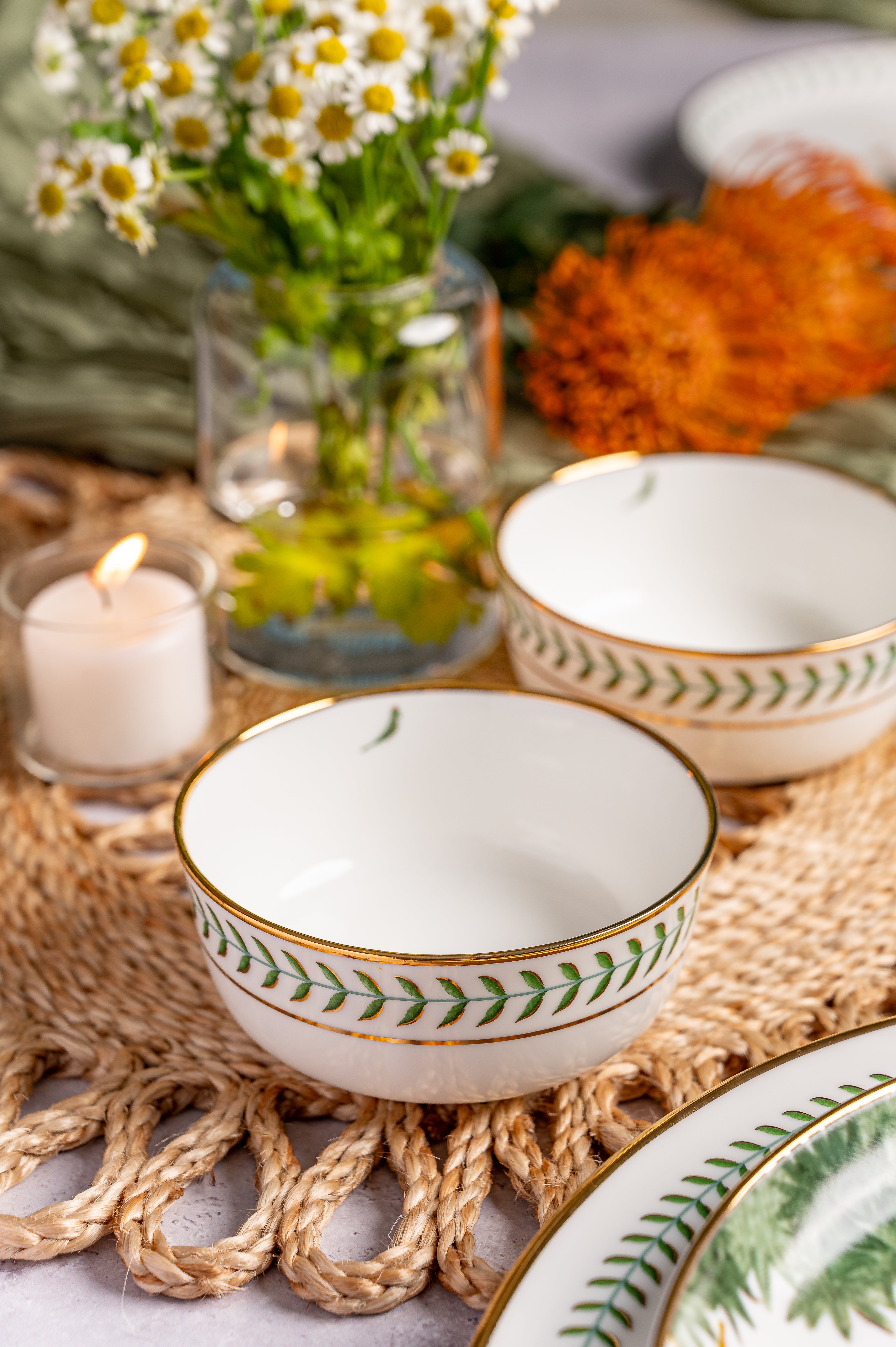
For Diwali, think “rays of light” rather than literal diyas. Use a luminous runner in oyster or champagne and scatter petite tea lights in clear glass to amplify glow without the clutter. Pair with dramatic plates and gold-rimmed serveware for drama. Offer a welcome sip of saffron-rose cooler and pass around warm, bite-size mithai on a single statement platter.
Eid calls for softness and abundance. Layer creamy linens with mother-of-pearl accents, date clusters in low bowls, and a centerpiece of white blooms with fragrant cardamom pods tucked at the base. Present a communal dessert - sheer khurma or pistachio basbousa - in a deep dish for a shared finale.
For Navroz, celebrate freshness: citrus branches, mint, and emerald glass. Place handwritten place cards with a single good-luck symbol to start conversation about family traditions.
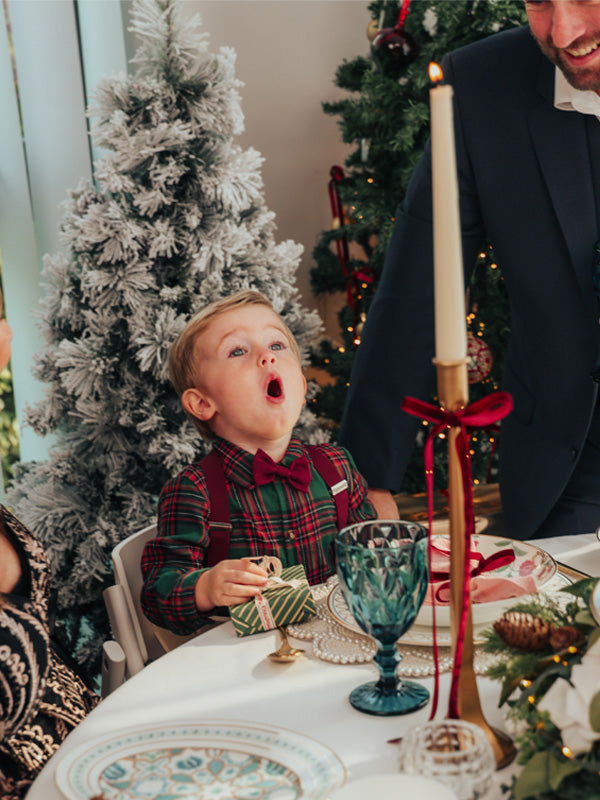
Come December, go “wintry minimal”: linen in fog, silvered branches, and one tonal floral moment (anemones or hellebores). Replace place cards with tiny ornaments guests can take home.
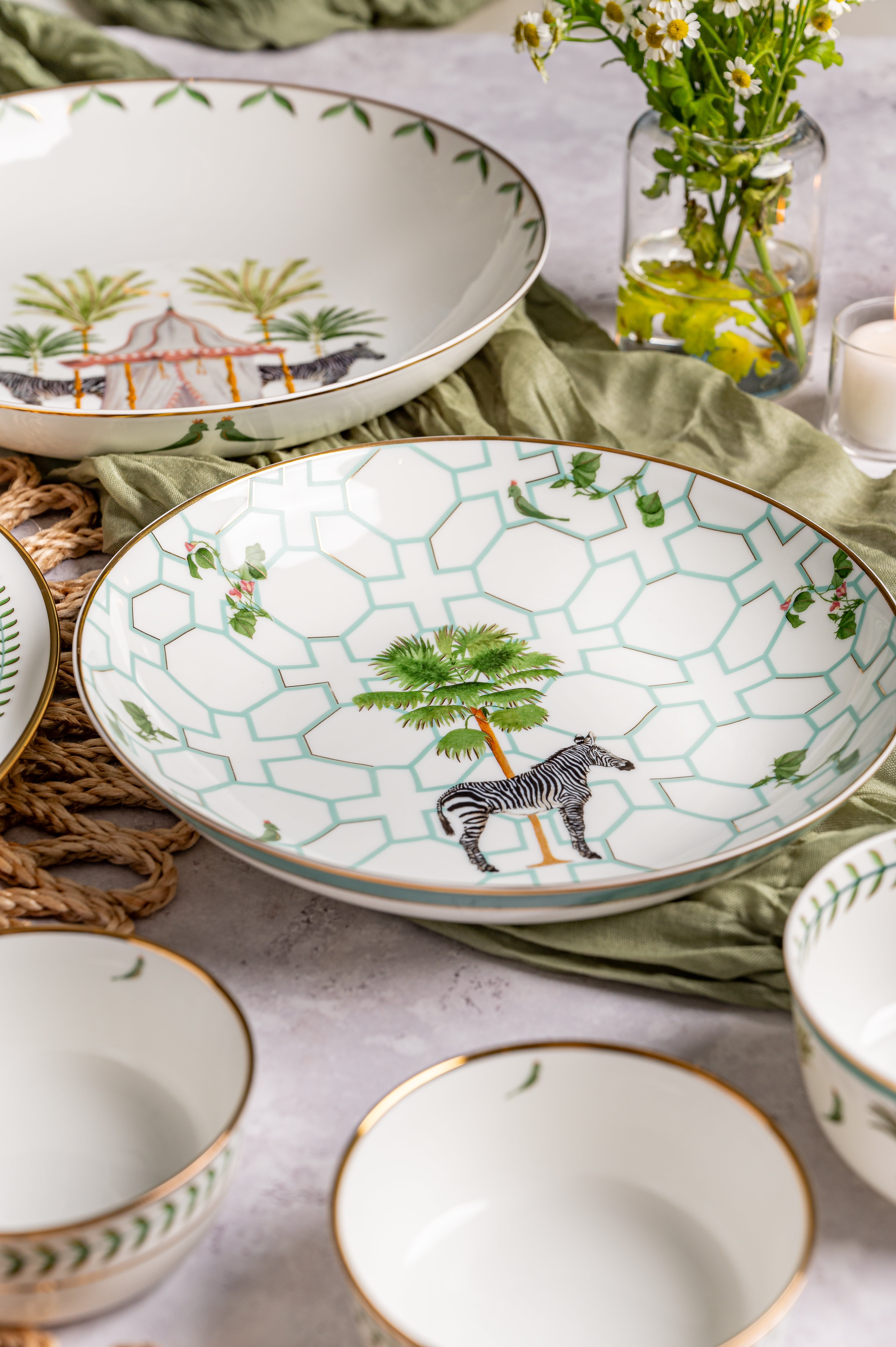
Across all festivals, borrow the language of architecture - arches, jali patterns, latticework - as subtle textures on plates or napkin rings instead of overt prints. Curate a scent story - rose and marigold for Diwali, oud and vanilla for Eid - that’s present at the door but fades at the table. The result is reverent yet modern, a celebration that glows with meaning and personal style.




Leave a comment
All comments are moderated before being published.
This site is protected by hCaptcha and the hCaptcha Privacy Policy and Terms of Service apply.